
Storage Environment and Conditions
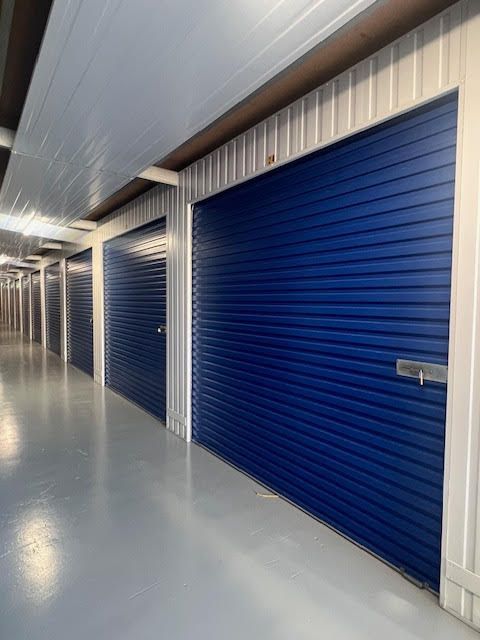
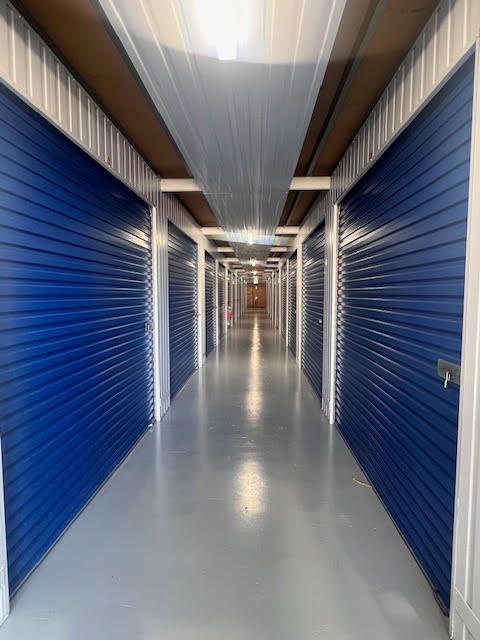
Eastlakes Self Storage is not a climate controlled complex.
Temperature and humidity levels within the units is dependent on the prevailing weather conditions. It is important to pack and store your goods as effectively and efficiently as possible.
Regular inspections of your unit is recommended.
Boxes
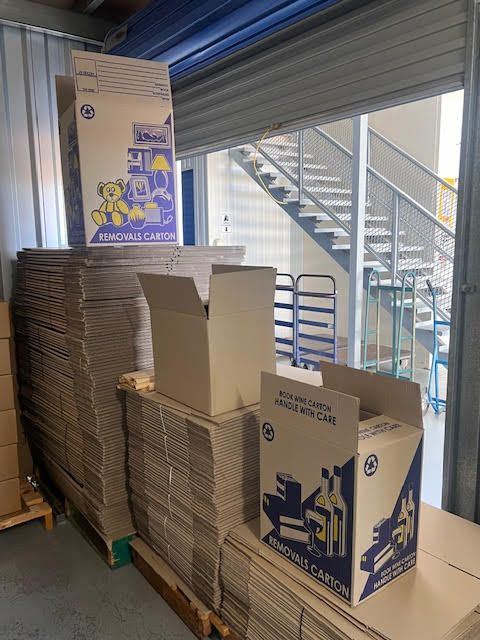
Where possible, pack your belongings into boxes to keep everything organised and protected. Using boxes of a similar size makes stacking safer and more stable. Place heavier boxes on the bottom and lighter ones on top. Avoid overfilling or leaving boxes half empty—fill gaps with packing material to improve strength and keep dust out.
Furniture
Wrap furniture with protective materials such as moving blankets or shrink wrap to prevent damage. Stack chairs carefully with padding between surfaces. Use covers for larger pieces, and protect cushions or upholstered items with plastic or by boxing them.
See our "Extra Care For Sensitive Items" section for in depth tips on storing mattresses, lounges, acrylic and other furniture.
Kitchenware & Fragile Items
Wrap all fragile items individually using packing paper or tissue, and add cushioning inside the box to prevent movement. Clearly label boxes as “Fragile.”
Plates, bowls, and saucers are best stored on their edges with padding between each item. Avoid stacking heavy boxes on top of fragile items. For delicate silverware, acid-free tissue paper can help maintain its condition.
Leather Goods (Furniture, Jackets & Bags)
Leather is a natural material that can be affected if stored incorrectly.
What to watch for: Keeping leather sealed in plastic or airtight spaces can lead to surface damage, discolouration, or musty odours over time.
Helpful tip: Use breathable covers like cotton sheets instead of plastic, and store leather items in a space where air can circulate to help maintain their condition.
Storing Different Types of Sofas
1. Upholstered Sofas
Fabric and microfiber couches require more protection against dust, fading, and pests. Always use breathable covers, and avoid plastic which can trap humidity.
Helpful tip: For high-end fabrics, consider acid-free tissue paper between folds and layers.
2. Leather Sofas
Leather is sensitive to temperature and humidity changes, which can cause cracking or discoloration. During long-term sofa storage, use a protective leather conditioner before covering with a natural fiber sheet.
3.
Wooden-Frame Sofas
Wood expands and contracts with temperature fluctuations. Use furniture polish before storing, and always avoid direct exposure to heat or sunlight to prevent warping or fading.
4. Recliners and Sectionals
Disassemble as much as possible. For sectionals, keep each section marked and wrapped separately. Avoid stacking or pressing heavy items against reclining mechanisms to prevent distortion.
Storing Mattresses
1. Clean and cover the mattress
Make sure the mattress is dry, wrapped properly, and sealed to keep out dust and pests. Use a mattress bag or breathable plastic wrap, and cover the whole surface
2. Raise it off the ground
Never place a mattress directly on a concrete floor. Moisture can rise from the ground, even if it feels dry. Use pallets, moving boxes, or any clean platform to lift it a few inches off the ground.
3. Choose the best position
If space allows, lay the mattress flat. If not, store it on its long edge against a clean, dry wall. Keep it supported so it doesn’t sag or tip.
4. Allow for airflow
Leave some space around the mattress to help prevent dampness. Avoid stacking boxes or furniture directly on top of it.
5. Check on it occasionally
Every few months, unwrap the mattress briefly to air it out. This helps avoid musty smells and gives you a chance to check for any issues.
Photographs & Important Papers
Paper items are delicate and can deteriorate if not stored properly.
What to watch for: Poor storage conditions can cause warping, discolouration, or pages sticking together.
Helpful tip: Store items in sturdy, archival-style boxes and keep them elevated off the floor on shelving or pallets. Allow a small amount of airflow to help preserve them.
Vinyl Records & Musical Instruments
These items can be sensitive to environmental changes.
What to watch for: Records and instrument materials can be affected over time if stored in closed or stagnant spaces.
Helpful tip: Keep records upright in their sleeves and store instruments in protective cases. Adding moisture absorbers like silica gel can help maintain a stable environment inside cases.
Electronics & Small Appliances
Electronics require careful handling when stored.
What to watch for: Trapped air and tightly sealed wrapping can lead to internal wear or damage over time.
Helpful tip: Avoid wrapping electronics in plastic. Instead, use original packaging or anti-static materials, and allow space between items for airflow.
Wooden & Antique Furniture
Timber furniture naturally responds to its surroundings.
What to watch for: Over time, wood can shift slightly, which may affect joints or finishes if stored in enclosed conditions.
Helpful tip: Use protective coverings that allow the material to breathe, and consider applying a quality furniture wax before storage to help protect the surface.
Calculate your storage needs easily. Call us on 02 4972 1185 for assistance.